Cancer News and Stories
Our team of experts brings you cancer-related news, features, and survivor stories.
For the latest news about research we conduct and fund, see ACS Research News.

Why We Screen for Some Cancers and Not Others
Published on: November 1, 2023
Screening tests are powerful tools in helping find cancer early or even preventing it. But they aren’t perfect. Find out what’s behind guidelines that tell us what screening tests to get and when.

Five Ways to Help Reduce Your Breast Cancer Risk
Published on: June 28, 2023
Although there is no sure way to prevent breast cancer, there are several things you can do that may lower your likelihood of getting it.
Cancer Specialists Gather to Discuss Innovations in Research and Treatment
Published on: June 1, 2023
Follow research highlighted each day in this ongoing meeting by checking out the ASCO News Highlights for People with Cancer blog.
Study Finds Possible Link Between Hair Straightening Chemicals and Uterine Cancer
Published on: October 26, 2022
Women who use chemical hair straighteners and relaxers may have a higher risk of uterine cancer, according to a new study from researchers at the US National Institutes of Health (NIH).

Six Plan-ahead Tips to Eat Smarter This Holiday Season
Published on: November 19, 2021
Have a jolly, festive time at holiday parties this month while sticking to your healthy eating goals. Follow our tips to enjoy the season without having to pay for it later.

Get a Healthy Back-to-School Start
Published on: July 22, 2021
Put health on your back-to-school planning list this year. Vaccinations, nutritious lunches, and sleeping right are all part of the equation.
Impact Ratings Show Cancer Journal Continues to Outperform
Published on: July 2, 2021
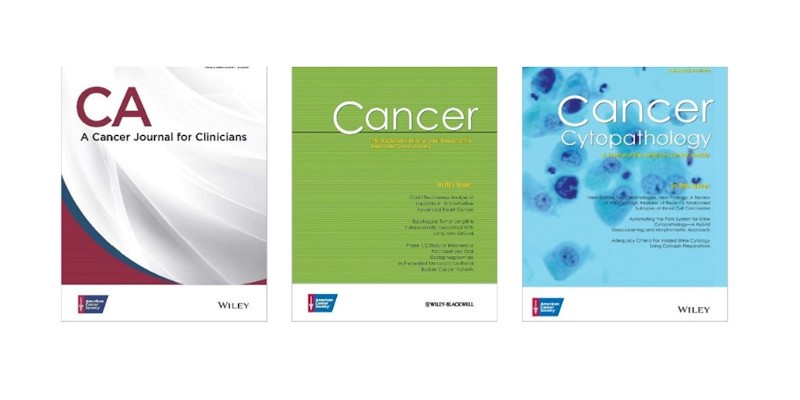
The annual scientific and clinical Journal Impact Factors were released on June 30, and the American Cancer Society’s CA: A Cancer Journal for Clinicians outperformed. The CA impact factor climbed from 292.3 last year to a staggering 508.7 and remains the highest-rated oncology journal in the world.
Getting Access to Your Medical Records Should Become Easier Soon
Published on: March 1, 2021
Learn about how the Cures Act will make it easier for people to be able to see their medical records and doctor's notes, and to get information related to the costs of their medical care.
Help us end cancer as we know it, for everyone.