Why Virgil Miller Now Leads by Example on Cancer Screening
After watching cancer reshape his family and delaying his own screening for years, Aflac President Virgil Miller now urges others to take action and get screened.
Cancer was never something Virgil Miller knew only from headlines or statistics.
Growing up in Georgia, Virgil watched cancer affect relatives across his extended family, but nothing shaped him more than his father's diagnosis with advanced colon cancer in 1992.
Over the next seven years, cancer changed nearly every part of family life. His mother left her job to care for his father, while family members helped with finances, appointments, and daily responsibilities.
"The family receives the diagnosis, not just the individual," Virgil said. "It impacted all of us."
The experience gave him an understanding of cancer's impact that extended far beyond the patient. Long before he led a Fortune 500 company or spoke publicly about cancer screening, he had seen firsthand how a diagnosis could affect a family's emotional well-being, finances, and daily life.
When his father died in 2000 after a seven-year fight with the disease, the loss stayed with him; so did the memories of everything his family had been through.
The advice he struggled to take himself
Today, Virgil encourages people to stay up to date on their cancer screening recommendations, but for years, despite his family history and everything he had witnessed, he avoided getting screened himself. The irony isn't lost on him.
"Even though cancer has been prevalent throughout my family, I'm one of those people who put it off," he said. It wasn't because he didn't understand the risks, it was because he did. "I was worried about actually getting a diagnosis," he said. "I was fearful."
The hesitation had little to do with the screening itself. What worried him was what the screening might reveal.
Virgil had already seen what cancer could do to a family. He had watched his father battle the disease, lost relatives to cancer, and witnessed how quickly a diagnosis could change a family's future. Like many people, he convinced himself there would be time to schedule the screening later.
Later eventually turned into years.
Even after joining Aflac and seeing stories from people facing cancer diagnoses and treatment, the fear didn't completely go away.
"I still was reluctant," he said. "So many years I put this off."
Over time, though, he began thinking about two people in his family whose experiences were very different. His father was diagnosed after his colon cancer had already advanced. Around the same time, an aunt was diagnosed while her cancer was still localized and treatable.
The difference stayed with him. His father died from the disease, while his aunt survived. Looking back, Virgil often wonders how things might have been different if his father's cancer had been found earlier.
Eventually, he made the decision he had been avoiding, and he got screened.
Today, he stays current on recommended checkups and screening tests. Just as importantly, he talks openly about his own reluctance because he knows many people carry the same fears he once did.
How cancer shaped the leader he became
Virgil's experience with cancer changed more than his personal healthcare decisions and it also shaped the way he leads.
Raised in a family that valued faith, service, and responsibility, he learned early that leadership is about helping others. Those lessons have stayed with him throughout his career and continue to influence how he approaches his role as president of Aflac.
"As a leader, you have an obligation to leverage your platform to influence," Virgil said.
Today, that means encouraging employees and fellow leaders to prioritize their health and not put off preventive care. His message is shaped by having experienced both sides of the issue: watching a loved one battle cancer and postponing a screening himself out of fear.
That perspective makes the conversation personal.
"I understand the power of influence," he said. "We're out there letting everyone know to go out and get checked. So now I lead by example."
Turning personal experience into advocacy
Virgil's connection and advocacy for the issue is also reflected in Aflac's alignment with the American Cancer Society to promote cancer prevention, screening, and support for people facing a diagnosis.
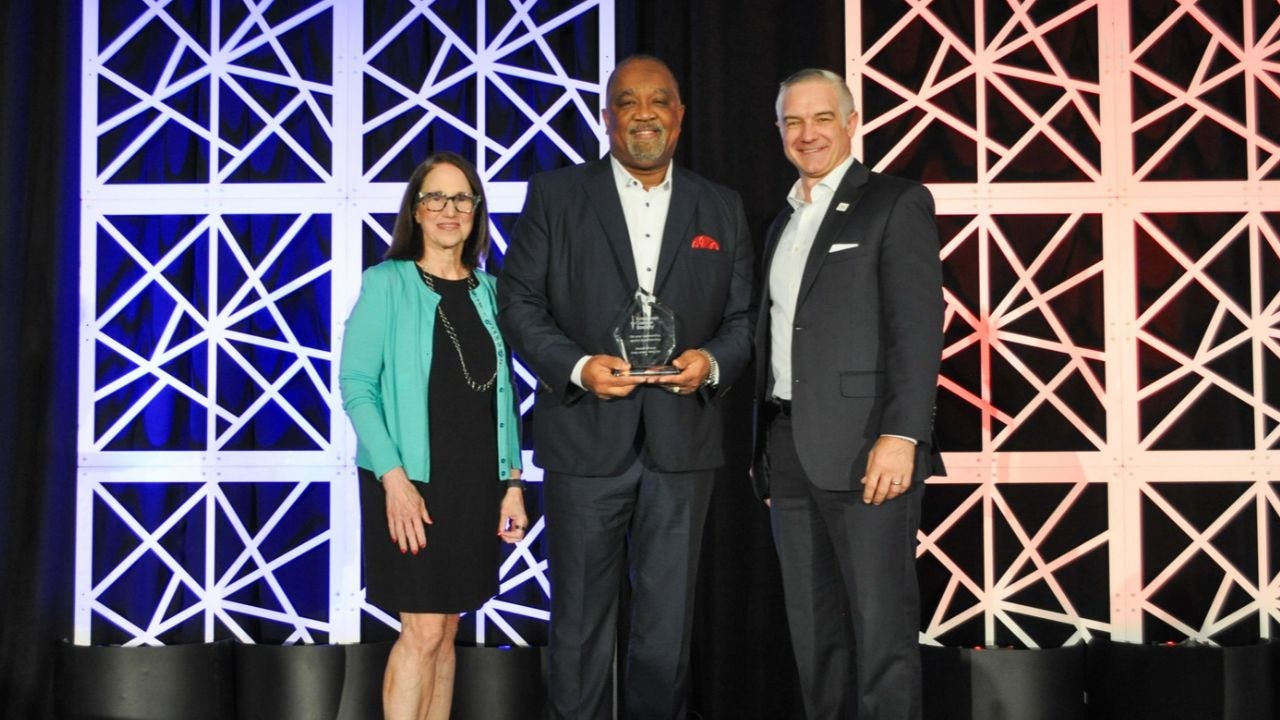
In recognition of those efforts, the American Cancer Society named Aflac its 2025 Corporate Partner of the Year. The partnership helps connect people to programs such as Road To Recovery®, which provides transportation to treatment, and Hope Lodge®, which offers free lodging for people who must travel for cancer care. For Virgil, the work is about supporting families facing challenges he understands all too well.
"I have firsthand knowledge of what a cancer diagnosis can do to individuals and families," he said. "I believe it's my responsibility to share that knowledge and inspire action."
Virgil knows that fear can be a powerful reason to avoid a screening. He also knows that fear doesn't disappear by waiting. As someone who put off screening for many years, he now hopes his story will encourage others to make an appointment they may have been putting off and take charge of their health.
Reviewed by the American Cancer Society communications team.