End-of-life Care
Many patients and their caregivers wonder about the next steps when cancer is very advanced and treatment is no longer working or has been stopped. In this section, you can find information about hospice care, what may happen when the end of life is near, and managing feelings of grief and loss.
- Find Information
- Frequently Asked Questions
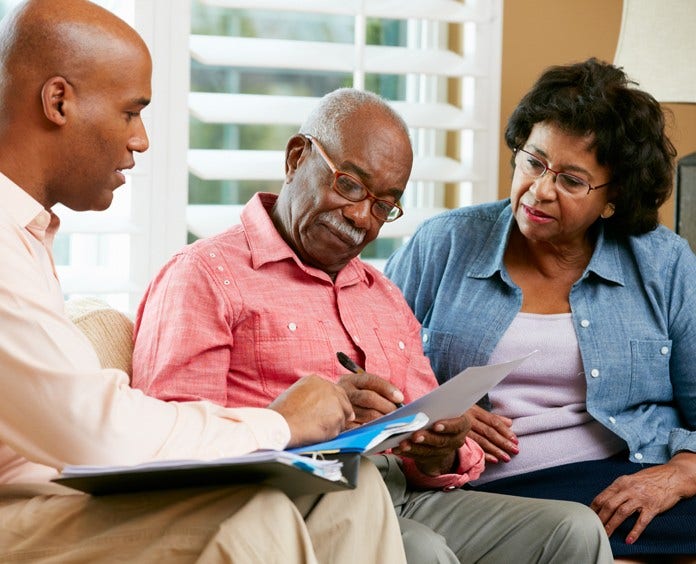
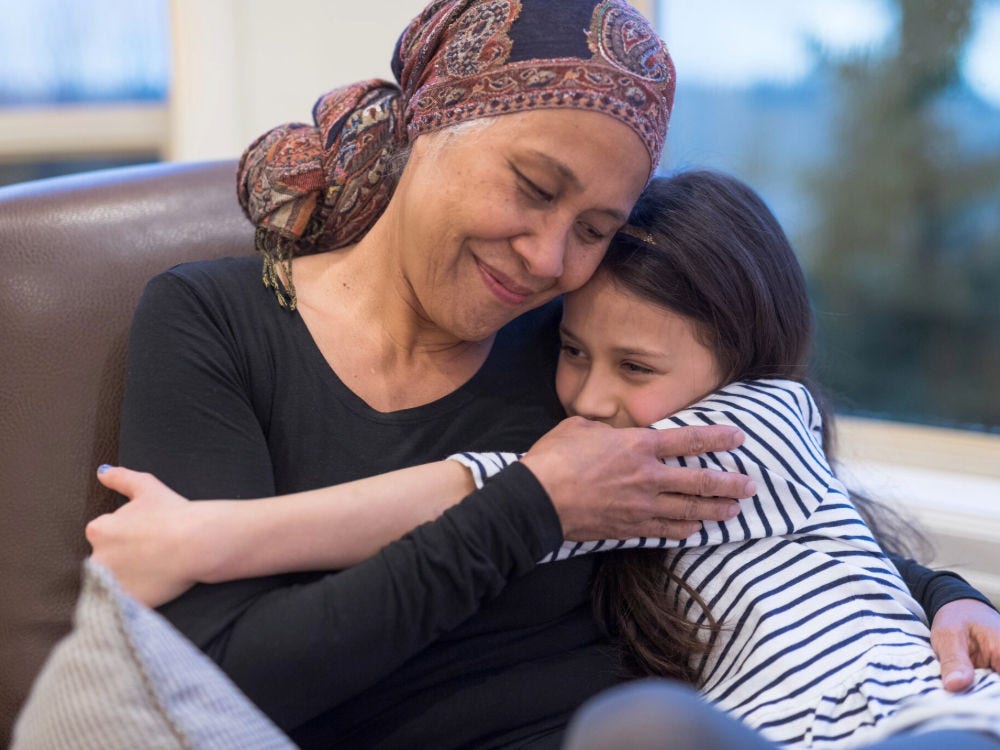
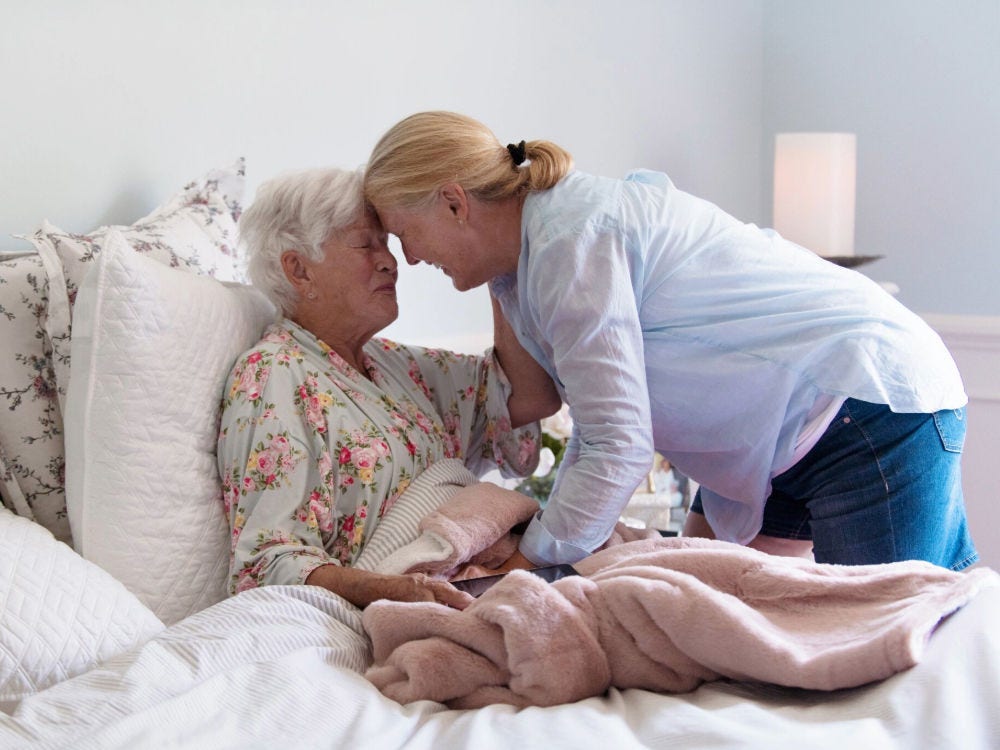
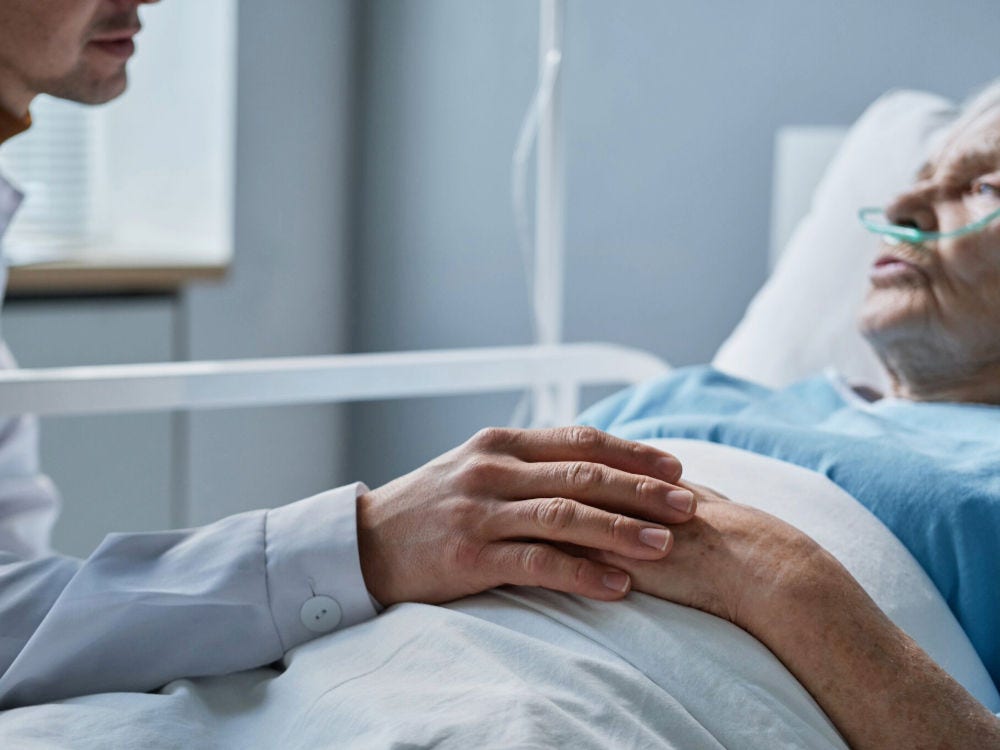
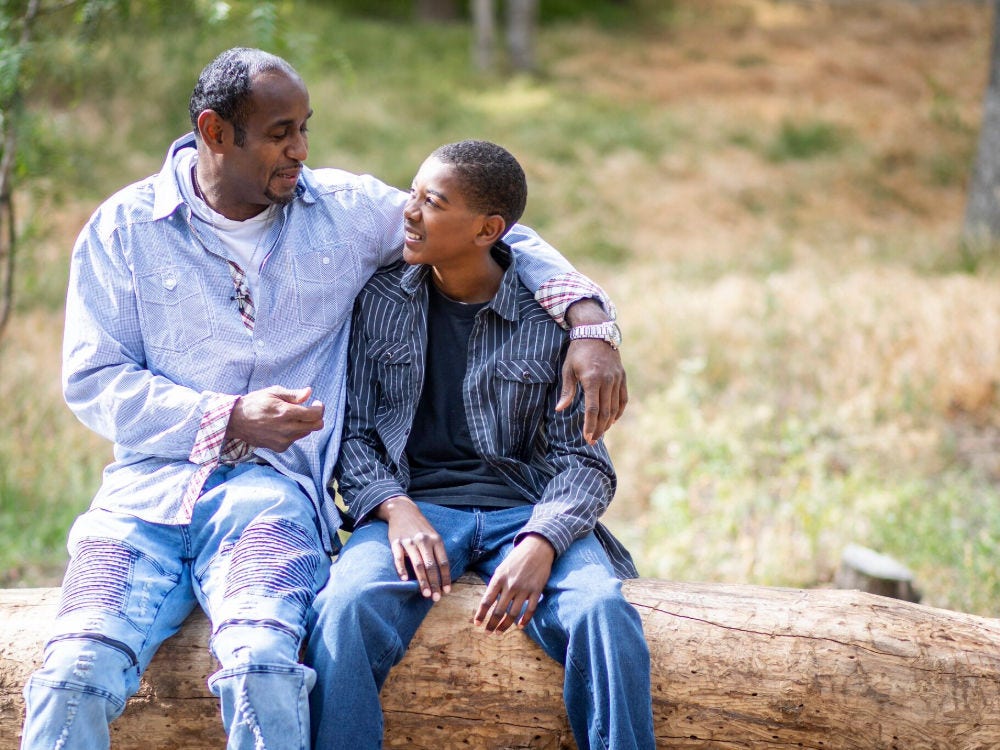
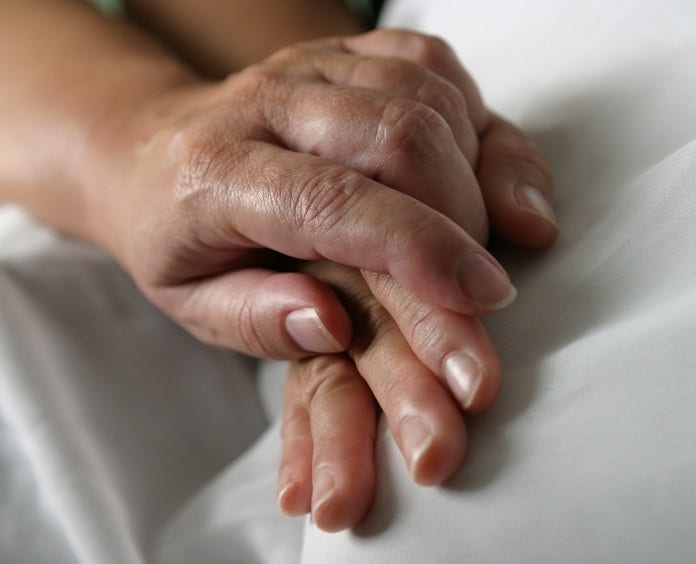
What is considered end-of-life care?
End-of-life care focuses on comfort, support, and quality of life when a person is nearing death. It helps manage physical symptoms and emotional needs. It can include palliative care, hospice care, and other supportive care to help manage physical symptoms and emotional needs.
What’s the difference between end-of-life care and hospice?
End-of-life care is a broad term for comfort-focused care near the end of life. Hospice is a type of end-of-life care for people who are expected to live about 6 months or less and are no longer receiving treatment to cure the cancer.
What are the stages of end of life?
There are no exact stages of end of life. However, people often go through a general decline over time. This may include more symptoms, less energy, and increased need for support in daily care. They may need different types of care as they near death.
What is the difference between palliative care and end-of-life care?
Palliative care can be given at any stage of a serious illness and may be used along with treatment to cure or control the disease. Hospice and end-of-life care focus on comfort and support for people nearing death, often when treatment to cure the disease is no longer being given.
Reference
National Cancer Institute (NCI). End of life care for people who have cancer. Updated June 18, 2021. Accessed at https://www.cancer.gov/about-cancer/advanced-cancer/care-choices/care-fact-sheet on May 28. 2026.
Written by

Developed by the American Cancer Society medical and editorial content team with medical review and contribution by the American Society of Clinical Oncology (ASCO).