
What Are the Benefits of Soursop?
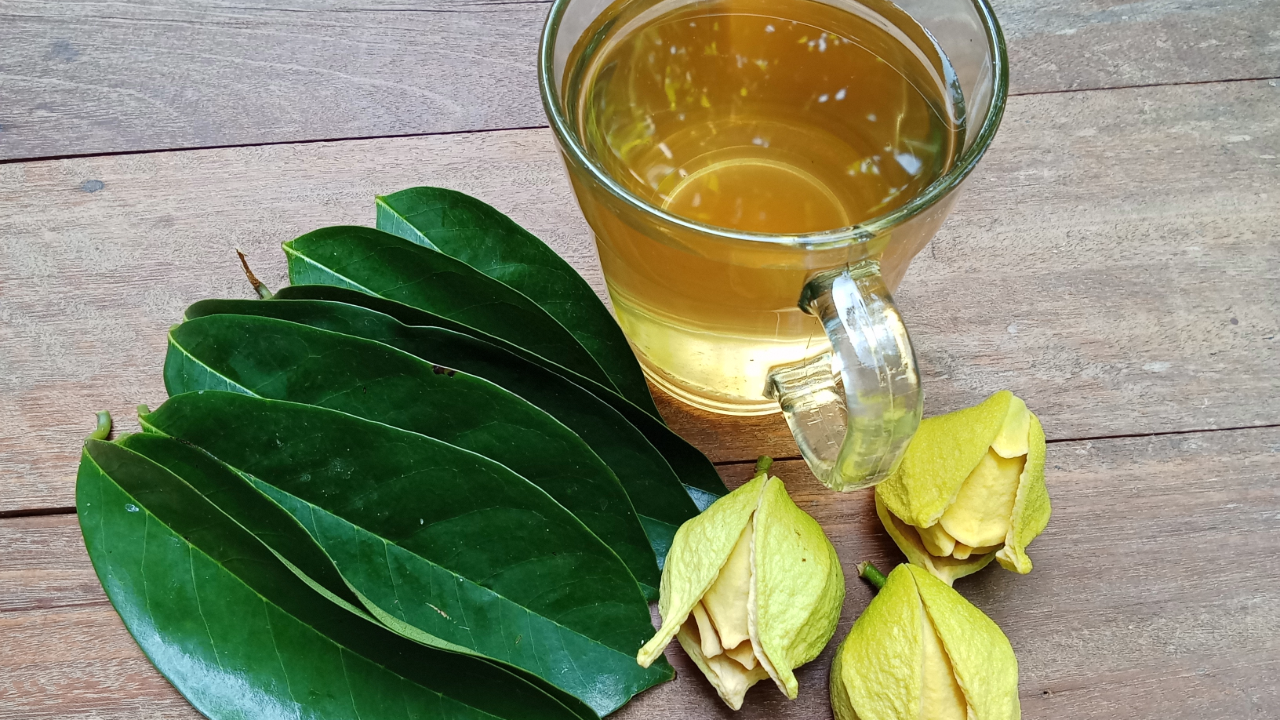
A tropical fruit called soursop has a big online fan base. Some people even refer to it as a “superfood,” a marketing term used for foods that are especially dense in nutrients and good for your health. Like many fruits, soursop can be part of a healthy diet. But not every claim made about soursop is supported by scientific evidence.
“As a food, soursop is good for you. But it can’t change the course of a disease like cancer,” said Syed H. Jafri, MBBS, an American Society of Clinical Oncology (ASCO) expert, medical oncologist, and professor of oncology at McGovern Medical School at UTHealth Houston.
What is soursop?
Soursop is a sweet-sour fruit grown in tropical and sub-tropical climates, including Central and South America, Southeast Asia, and parts of Africa. It can be found in some specialty grocery stores in the United States. Soursop is also called graviola, guanabana, or custard apple.
People consume soursop in many forms, such as:
- Raw fruit
- Juice
- Baked goods
- Smoothies, ice cream, or sorbet
- Candies
- Jams
- Tea made from the plant’s leaves
- Supplements, as extract, powder, tablets, or capsules
What are the benefits of soursop?
Soursop has long been used as an herbal remedy for a number of health conditions. Soursop is rich in nutrients. The plant contains:
- Fiber that helps improve digestion, lower blood cholesterol, and control blood sugar (glucose)
- Antioxidant compounds that help protect body cells from damage
- Vitamin C, an antioxidant that helps support the immune system
- Other vitamins and minerals, such as B vitamins, calcium, folate, magnesium, phosphorus, and potassium, that your body needs to function properly
Medical research on the health benefits of soursop is in the early stages. Laboratory and animal studies suggest that the natural compounds in soursop may help manage infections, treat wounds, and control blood sugar and blood pressure. One laboratory study suggests that soursop may help slow cancer cell growth. But these studies have only been conducted in cancer cells and animals, not in humans.
Without larger, well-designed clinical trials, it’s too soon to tell whether soursop can help protect against or treat illnesses in people. “Doctors can’t recommend a treatment until it has gone through many stages of rigorous testing. We need scientific proof it is safe and that it works in specific patients,” said Dr. Jafri. “We don’t have that kind of evidence for soursop.”
What are the risks of consuming soursop?
Soursop can be a part of a balanced diet, but it can also be harmful. Soursop flesh, leaves, peels, stems, and roots are generally safe to eat. However, soursop seeds are toxic and should not be consumed.
The risks of consuming soursop include:
Neurotoxicity: Soursop seeds contain a toxin that can damage the brain and nerves. Neurotoxicity symptoms include rigid muscles, personality changes, slow movements, and trouble with balance. This is especially important for people with Parkinson’s disease or problems with memory and thinking.
Drug interactions: Soursop may interfere with certain medications. “Soursop can affect how your body processes a drug. It may make the drug more toxic, less effective, or too effective,” Dr. Jafri said. If you take medicine to lower blood pressure or blood sugar, soursop may lower these levels too much. Blood pressure or blood sugar that’s too low can be dangerous.
Impurities: Soursop is sold as herbal teas and supplements. The US Food and Drug Administration (FDA) does not require these products to be tested for safety and effectiveness. “You can’t know exactly what’s in them,” Dr. Jafri said.
Is soursop safe for everyone to consume?
Experts believe soursop flesh is safe for most people to eat in moderation. Eating large amounts of the fruit may not be as safe. The seeds should not be eaten. Taking supplements with high concentrations of the plant’s chemical compounds may also be harmful.
Some people may be at higher risk. You should not consume soursop if:
- You take medication for diabetes, high blood pressure, or cancer.
- You take blood thinners.
- You have or are at high risk for Parkinson’s disease.
- You’re pregnant or breastfeeding.
Be sure to talk with your healthcare team about any dietary supplements you take, plan to take, or are curious about. Not all the information you see or read online about supplements is reliable or based on science.
“I discourage people from using things they have seen on the internet or on social media. Just because you hear a story of somebody who has benefited from taking something doesn’t mean it applies to every patient in every situation,” Dr. Jafri said.
Does soursop prevent or treat cancer?
No evidence shows that soursop prevents or treats cancer. It is not a replacement for standard cancer treatment. Very few studies have been done on humans or cancer cells. Much more research is needed to better understand any potential cancer-related effects of soursop.
“Some foods and supplements can help cancer patients. For example, clinical studies have shown that ginger can safely relieve nausea and vomiting caused by chemotherapy,” said Dr. Jafri. “But that doesn’t make it an effective alternative to cancer therapy.”
No single food or supplement will prevent cancer and other diseases. However, eating nutritious fruits like soursop can be part of a healthy lifestyle to help reduce cancer risk.
Can people with cancer take soursop?
Some cancer treatments can damage nerves. Because soursop may also affect the nerves, using them together could increase the risk for nerve damage. This has not been studied in people, though.
“Regular consumption of soursop over a long period of time has been linked with neurological symptoms. This may overlap with nerve damage due to chemotherapy,” Dr. Jafri said. “Talk with your oncologist before taking soursop, as it may interfere with your cancer treatment.”
Learn more from the American Cancer Society:
- Understanding Integrative (Holistic) Medicine
- How Diet and Physical Activity Impact Cancer Risk
- How to Find Cancer Information You Can Trust
Dr. Jafri is an ASCO member.
- Written by
Written by the American Society of Clinical Oncology (ASCO) with medical and editorial review by the American Cancer Society content team.