How to Dispose of Unused or Expired Medications
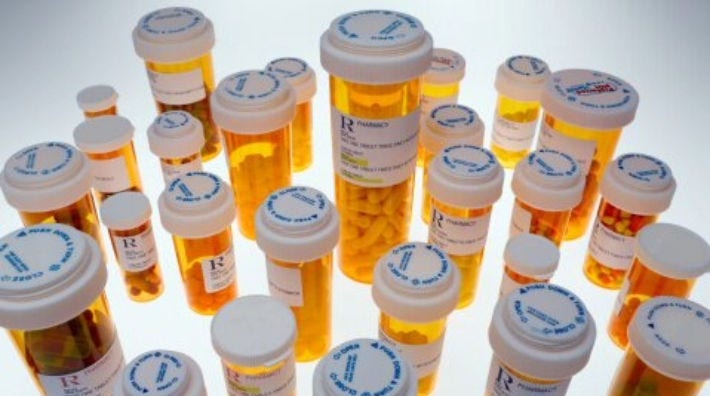
You probably have unused or expired medicines somewhere in your house. You may even have forgotten about them. But keeping old medicine around, especially cancer treatment drugs, can be a safety risk for you and your loved ones.
“Discarding unnecessary medication is really important. Exposure or accidental ingestion are concerns, especially if you have kids or pets in the house,” said Biren Saraiya, MD, an American Society of Clinical Oncology (ASCO) expert and palliative care specialist at Rutgers Cancer Institute.
Disposal instructions and regulations are straightforward for most common medicines. However, you’ll need to take a different approach with cancer treatment drugs that require special handling. Depending on where you live and get treatment, you may have many options for disposal or only a few. Knowing more can help you make the safest choice for getting rid of old medications.
How to dispose of cancer treatment drugs
Chemotherapy and other medicines used to treat cancer can be hazardous for people who are exposed to them. Anyone who handles chemotherapy and other hazardous treatments must follow safety precautions, including using special gloves and disposal containers. It is also why typical disposal rules do not apply to many drugs used for cancer treatment at home.
You should never throw cancer treatment drugs in the trash. This includes chemotherapy or medicines provided to you during a clinical trial. Don’t put these medications in a public drug takeback bin or bring them to a drug takeback event.
While these specialized medications work well at killing cancer cells, “They are actually toxic,” said Dr. Saraiya. “You don’t want to expose anyone to them unnecessarily.”
Consider the following options for disposal instead:
Talk to your care team. You should receive disposal instructions when you get cancer treatment at home. “If you’re unsure how to discard a medication, you should ask your oncologist, a pharmacist, or a care team member,” said Dr. Saraiya. They can guide you on how to get rid of medicines you no longer need.
Return medicines to your clinic. Your care team may want you to return cancer treatment drugs to them. They will instruct you on how to bring them safely to the clinic, where special hazardous waste disposal bins are available.
Find a cancer drug repository. People often wonder if they can give leftover cancer medicine to someone else who needs it. You must never give your medicine directly to another person. It is unsafe and against the law. However, you may be able to donate unused medications to a cancer drug repository.
Cancer drug repositories may or may not be available in your area, so it’s best to check with your care team. These programs take unopened, unused, and unexpired cancer medicines and redistribute them safely.
A study showing the benefits of a drug repository program called YesRx Network was presented at the 2025 ASCO Quality Care Symposium. In less than 2 years, YesRx was able to redistribute cancer medicines to 1,000 people in Michigan. Programs like these help reduce waste, support people who are facing high treatment costs, and offer a meaningful way to give back to the cancer community.
How to dispose of other medicines
Many medicines used to manage the side effects of cancer, such as nausea, pain, and anxiety, can be disposed of like other common medicines.
A takeback program is the safest and best way to get rid of most medicines that aren’t specifically for cancer treatment. While what’s accepted may vary, most programs will take pills, creams, and patches. Some accept liquids. Takeback programs often do not take vials of injectable medicines, needles, or inhalers.
Takeback program options include:
- Drop-off locations: Check the U.S. Food and Drug Administration’s (FDA) website for approved drop-off locations near you. They are often at police stations or pharmacies. If you can’t find a location near you, ask your care team, contact your local health department, or check your county’s website.
- Takeback day: Take part in National Drug Take Back Day events, which happen twice a year. Mark them on your calendar and note the places where you can drop off old medicines.
- Mail-back: Use special, authorized mail-back envelopes available at pharmacies and online. You can ask your pharmacist to help you find them.
Can I safely dispose of medicine at home?
The answer depends on the type of medicine and how and where it can be disposed of. Overall, disposing through a takeback program is preferred. If that’s not possible, you can put many common medicines in the trash, unless they’re on the FDA’s “flush list”.
To throw away common medications, follow these steps:
- Mix it: Put the medicine in a container and mix it with something that no one would eat, like old coffee grounds or used cat litter. Make sure the container is sealed.
- Conceal it: Cover the container and wrap it tightly so the medicine being disposed of is not visible.
- Discard it: Throw the container in your regular trash bin, ideally just before it’s picked up for disposal.
Before you dispose of any medication, be sure to protect your identity and other personal details. Remove the container’s label or scratch out your private information, including your name, address, phone number, and prescription number.
Can I flush medicines?
Generally, you should not flush medicines down the toilet. Small amounts of chemicals can get into the water supply and may harm the environment.
But the one important exception is the FDA’s “flush list”. This list contains certain dangerous drugs that should be flushed instead of being put into the trash, such as strong pain relievers called opioids. The risk of someone finding and misusing or accidentally taking these drugs is very high. The FDA recommends flushing as the safest option for disposing of them.
How should I dispose of needles?
If you are taking injectable medicine at home, never throw loose needles in the trash. Your doctor may provide a sharps disposal container for you. If not, put used needles in a hard, closed container such as a thick plastic bottle. You can take them back to the clinic or doctor’s office for disposal or to a pharmacy or community sharps collection site.
Learn more about cancer treatment from the American Cancer Society:
- Cancer Treatment Types
- Chemotherapy Safety
- Managing the Cost of Cancer Care
- Help Paying for Prescription Medicines
Dr. Saraiya is a member of ASCO’s Patient Information Advisory Committee.
- Written by

Written by the American Society of Clinical Oncology (ASCO) with medical and editorial review by the American Cancer Society content team.