After Breast Cancer, ACS-Funded Researcher Turns Decades of Expertise Toward Prevention
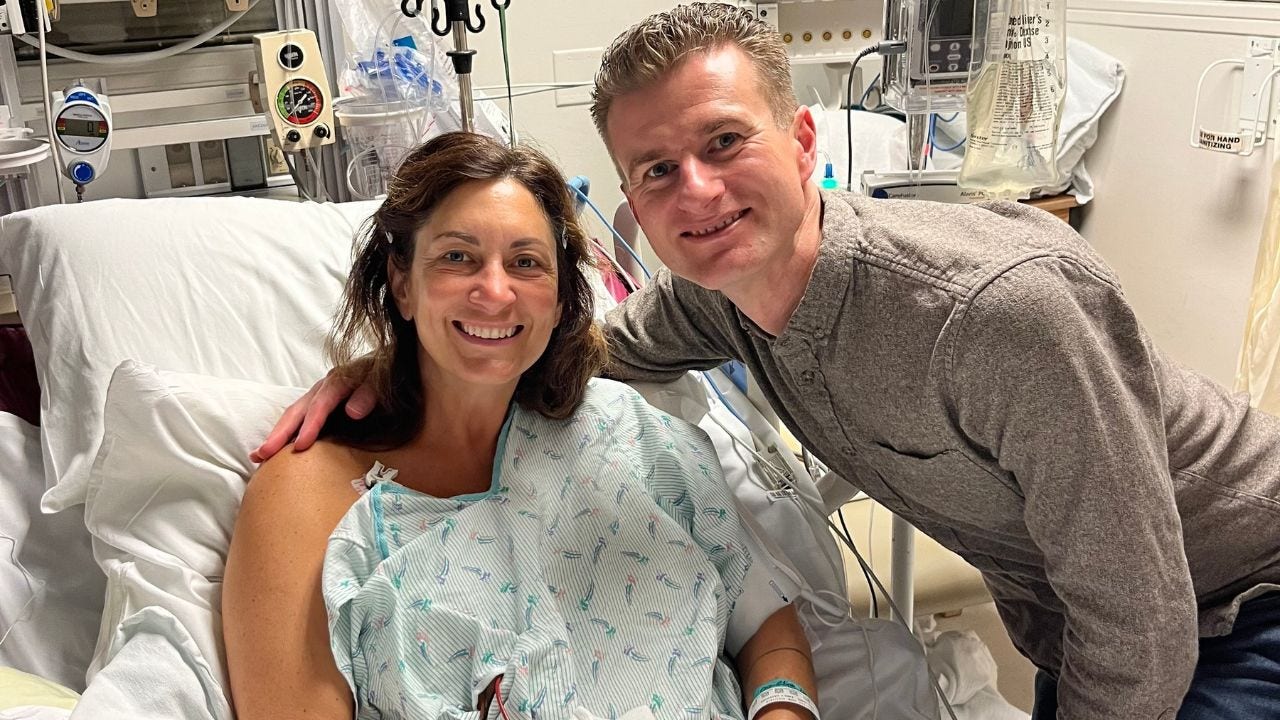
Following her own diagnosis, Emily Williams helps women better understand how alcohol can influence disease risk.
When Emily Williams, PhD, was diagnosed with stage II breast cancer in April 2020, she entered a new role: patient.
For more than 25 years, Williams built a career studying alcohol use and helping healthcare systems use proven approaches to reduce unhealthy drinking. She understood the science linking alcohol to a wide range of health conditions, including breast cancer.
But as she moved through her own diagnosis and treatment, she realized something surprising.
"I've been an alcohol researcher for 25 years," said Williams, a researcher and professor at the University of Washington School of Public Health in Seattle. "I knew the risks of breast cancer associated with alcohol. But I didn't know how many people didn't know."
Today, with support from an American Cancer Society Discovery Boost Grant, Williams is leading a research project designed to help women better understand the connection between drinking alcohol and breast cancer risk. Her team is exploring whether mammography facilities can serve as opportunities for education and prevention, reaching women at a moment when they are already thinking about their breast health.
For Williams, the work is both professional and deeply personal.
A diagnosis that changed more than her health
Williams' diagnosis came just weeks after the COVID-19 pandemic shut down much of the country.
What initially appeared to be a relatively straightforward treatment plan quickly became more complicated. A lumpectomy procedure revealed more breast cancer than expected, and more surgery was recommended. Around the same time, gene expression tests on her breast cancer cells suggested she could benefit from chemotherapy before undergoing a mastectomy.
Following her first chemotherapy treatment, she developed appendicitis that was not related to her cancer diagnosis. She needed emergency surgery which involved added risks because chemotherapy had left her immunocompromised.
The experience brought a level of anxiety she had never known before.
"I remember very early on talking to a social worker," Williams said. "My anxiety just shot through the roof."
At the time, she was navigating a cancer diagnosis, a global pandemic, and a series of unexpected treatment challenges. During one conversation, a social worker shared an observation that stopped her in her tracks.
"Almost everybody I've ever talked to blames themselves in some way or another," she told Williams. "And it's always a different story, but everybody has one."
The conversation changed how Williams thinks about her health, especially cancer prevention, risk, and personal responsibility. Before her diagnosis, she had spent years prioritizing her health. She practiced yoga, exercised regularly, and paid close attention to her well-being. Yet she still developed breast cancer.
Today, she encourages women to learn about personal risk factors while also recognizing that no one controls every aspect of their health.
"We're only in control of so much," Williams said. "We should be making choices from a knowledgeable place, but also from a complete sense of personal autonomy."
Five years after her diagnosis, Williams' test results have shown no evidence of disease. Looking back, she says the experience changed far more than her health.
"Cancer did a lot for me," she said. "It really kind of clarified my own purpose."
Cancer did a lot for me. It really kind of clarified my own purpose.
Connecting two worlds
Long before breast cancer entered her life, Williams had dedicated her career to understanding alcohol use and increasing access to effective interventions to address addiction or unhealthy drinking habits.
After her diagnosis, she began to see an opportunity to apply that expertise in a new way.
As she spoke with friends and other breast cancer survivors, she became increasingly aware of how few people knew about alcohol's connection to cancer.
While most people recognize tobacco as a cancer risk factor, fewer are aware of the connection between alcohol and cancer.
Williams had seen evidence of that awareness gap in her earlier research. In one study she authored, participants shared their perceptions of cancer risk factors, inspiring the title of a publication that summed up a common misunderstanding: I Thought Cancer Was a Tobacco Issue.
The findings reinforced what she was hearing from women in her own life.
"I wish people understood the risks," Williams said. "I want decisions to come from places of knowledge."
For Williams, increasing awareness is not about telling people what choices they should make. Instead, she wants women to have access to information that allows them to make decisions that align with their own goals and values.
"It's been very life-giving to use my expertise to think about how to help other women set their own health goals."
Creating a "learnable moment"
That goal became the foundation of the research ACS is funding today.
Awarded in April 2026, Williams' two-year Discovery Boost Grant supports the development of a new intervention that could be used in mammography clinics. The project is adapting an existing avatar-based alcohol intervention program and exploring how it might help educate women about alcohol-related breast cancer risk.
The concept is rooted in what Williams describes as a "learnable moment."
Women arriving for a mammogram are already focused on breast health, screening, and cancer risk. Williams believes this may make them more receptive to information they have not previously known.
"Our research is focused on adapting this intervention for mammography clinics because many women don't know about the risks of alcohol use associated with breast cancer," Williams said.
The project includes interviews with people with cancer and healthcare providers and is guided by a community engagement board that includes breast cancer survivors.
That collaboration has already influenced the direction of the project. During early discussions, breast cancer survivors on the community engagement board pointed out that not all survivors need mammograms. This prompted the team to consider whether similar interventions could also be delivered in oncology settings.
For Williams, those conversations underscore the value of including cancer survivors as partners in the research process.
Because Discovery Boost grants support early-stage studies, this current project is focused on developing and testing the intervention rather than measuring how effective it is long-term. Future studies will be needed.
Still, Williams is hopeful about what could come next.
"If we develop it well, if we're able to implement it, if it works, that could really help women reduce their alcohol use and reduce their breast cancer risk."
Using knowledge for good
For Williams, receiving American Cancer Society funding is an opportunity to bring together two experiences that have defined her life: a career devoted to alcohol research and a personal journey through breast cancer.
The project allows her to apply decades of expertise to a challenge she once studied as a researcher and later experienced as a person facing breast cancer.
"Personally, it means I get to be part of the solution to something that really affected me deeply and changed my life," Williams said.
It also gives her team the opportunity to contribute to cancer prevention in a new way.
"We get to apply our expertise to a new area and contribute to cancer prevention in a new way," Williams said. "It's a passion project for all of us working on it."
Six years after her diagnosis, Williams is using the expertise she spent decades building to help other women better understand their own breast cancer risk.
"I can really use my knowledge for good in a way that is really personal to me."
Reviewed by the American Cancer Society communications team.