
What Is Cardio-Oncology?
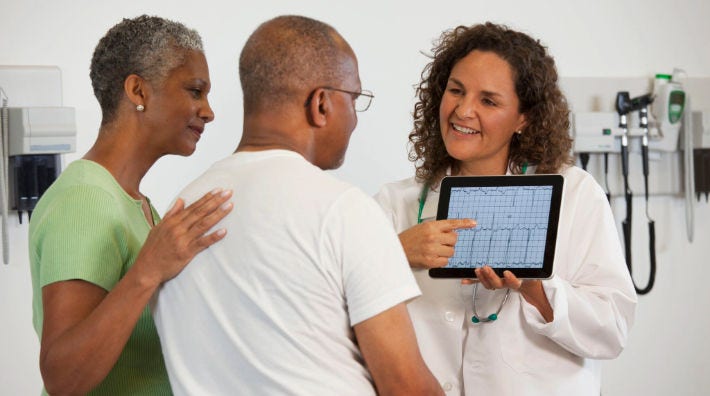
Heart disease and cancer are two of the most common health challenges people can face. These conditions share some of the same risk factors and often need to be managed at the same time.
Cardio-oncology is a growing medical field that focuses on the heart health of people with cancer. Cardio-oncology specialists monitor and treat heart issues that could affect cancer treatments.
How are heart health and cancer connected?
A person’s risks for heart disease and cancer are often similar. “There are a number of overlapping risk factors between heart disease and cancer. Things like tobacco use, diabetes, and certain genetic factors can increase the risk of both,” said American Society of Clinical Oncology (ASCO) expert Anne Blaes, MD, MS. Dr. Blaes is a cardio-oncologist and cancer survivorship specialist at the University of Minnesota.
Other risk factors for both conditions include excess body weight, an unhealthy diet, and inactivity.
Recent studies suggest that 16% to 21% of people with cancer also have cardiovascular disease, which means some type of heart or blood vessel problem. Even if someone doesn’t have heart disease before being diagnosed with cancer, certain cancer treatments can stress the heart and cause damage.
Whether heart problems come before or after a cancer diagnosis, they can affect a person’s cancer treatment. Heart conditions can mean a person needs a lower dose of a cancer treatment, including radiation therapy or certain chemotherapy medicines. In some cases, treatment may need to be delayed or stopped due to a heart problem.
Some heart problems caused by cancer treatment can happen during or shortly after treatment. But some may not show up until many years later. Some are more easily treated than others, and some have long-lasting effects on a person’s health. With more cancer survivors living longer, cancer treatment effects like heart problems are a growing challenge.
What is cardio-oncology?
“Cardio-oncology came into existence because we needed specialists who were experts in cardiovascular disease and also knew about cancer and cancer treatment,” said Avirup Guha, MD, an ASCO expert and cardio-oncologist at the Medical College of Georgia.
Cardio-oncology brings together cardiology and oncology. Cardio-oncology specialists work with oncology specialists to reduce the impact of heart problems on people with cancer. Together, they watch for and address heart problems before, during, and after cancer treatment. Before this field emerged in the early 2000s, patients with heart problems often received cancer treatments that were less effective because of their risk for heart damage.
“We needed a specialty that could deliver meaningful cardiovascular care to patients so they could continue through their cancer journey,” said Dr. Guha.
Cardio-oncologists are typically heart doctors, also known as cardiologists. They receive extra training in how cancer treatments affect the heart. These specialists do not treat the cancer itself. Instead, they partner with the cancer care team to address heart concerns. The cardio-oncologist helps monitor and protect the heart so the oncologist can plan for and offer the most effective treatment options.
Who sees a cardio-oncologist?
Not every person with cancer needs to see a cardio-oncologist. It depends on your health status, the type of cancer you have, and your specific treatment plan and history.
Your cancer care team looks closely at your health history and risk factors for heart disease. They may refer you to a cardio-oncologist if you:
- Have a pre-existing heart condition like heart failure or a heart attack.
- Have heart disease risk factors like high blood pressure, high cholesterol, diabetes, excess body weight, or if you smoke.
- Are younger or older. Children and older adults are at higher risk for heart-related complications of cancer treatment.
- Have received or will receive certain cancer treatments known to affect the heart. These include chemotherapy drugs called anthracyclines, targeted therapies that block a protein called HER2, medicines called immune checkpoint inhibitors, and radiation therapy to the chest.
- Develop symptoms like chest pain, palpitations, swelling, or shortness of breath during treatment.
What does a cardio-oncologist do?
There are 3 stages of cardio-oncology care.
Before cancer treatment, the cardio-oncologist can run several tests to figure out how your heart is performing. These include:
- Imaging tests, such as an echocardiogram that helps the doctor see the heart working.
- A blood test to look for troponin, a protein that shows the heart may already be under stress.
- Functional tests, such as an electrocardiogram (ECG or EKG) that monitors the heart’s rhythm.
During cancer treatment, the cardio-oncologist will check your heart regularly. You may get imaging or blood tests to monitor your heart status. You may also be asked to wear a monitor that can track your heartbeat around the clock.
After cancer treatment, your heart health can be checked at different times, depending on your risk. This testing can include blood and imaging tests. Many survivors have a full heart checkup 1 year after their last treatment. After that, people at higher risk might get heart testing every year. People at lower risk might need to be tested only every few years.
Treating heart problems in cancer patients
A cardio-oncologist can help manage heart problems in different ways. Treatment depends on the actual type of heart condition. They may:
- Guide you in making healthy diet and physical activity changes to strengthen your heart before treatment begins. This is known as prehabilitation or prehab.
- Prescribe medicines, such as beta-blockers or statins, used to treat specific heart or vascular conditions.
- Recommend ways that your cancer treatment can be given to help lessen the effects on your heart and blood vessels.
“With help from cardio-oncology, patients can often complete their cancer therapy, even in situations where therapy may have been stopped in the past,” said Dr. Guha.
Keeping the heart healthy after cancer treatment
“The whole goal is to get rid of cancer,” said Dr. Blaes. “But then you want to ask, ‘How do I stay well?’” She noted several ways to lower the chances of setbacks due to treatment-related heart disease.
- Talk to your doctor about your cardiac risks and the symptoms you should watch for.
- Keep a record of the treatments and doses you received.
- Continue to get recommended follow-up testing.
- Follow a healthy lifestyle by staying active, eating well, avoiding tobacco, and getting enough sleep.
“We all should be talking about how to keep our hearts healthy, both before a cancer diagnosis and after,” said Dr. Blaes.
Dr. Guha and Dr. Blaes are ASCO members.
- Written by

Written by the American Society of Clinical Oncology (ASCO) with medical and editorial review by the American Cancer Society content team.