Your gift is 100% tax deductible.
Uterine Sarcoma
If you have uterine sarcoma or are close to someone who does, knowing what to expect might be helpful. Here you can find information about uterine sarcoma, including risk factors, symptoms, how it's found, and how it's diagnosed and treated.
Uterine sarcoma is a rare type of uterine cancer. The most common form of uterine cancer is endometrial cancer. For more information on this uterine cancer, visit endometrial cancer.
About uterine sarcoma
A uterine sarcoma is a cancer that develops in the uterus (womb) from cells that normally make up muscles and connective tissues. Cancer starts when these cells grow out of control.
Compared to other types of uterine cancers, uterine sarcomas are rare.
The uterus
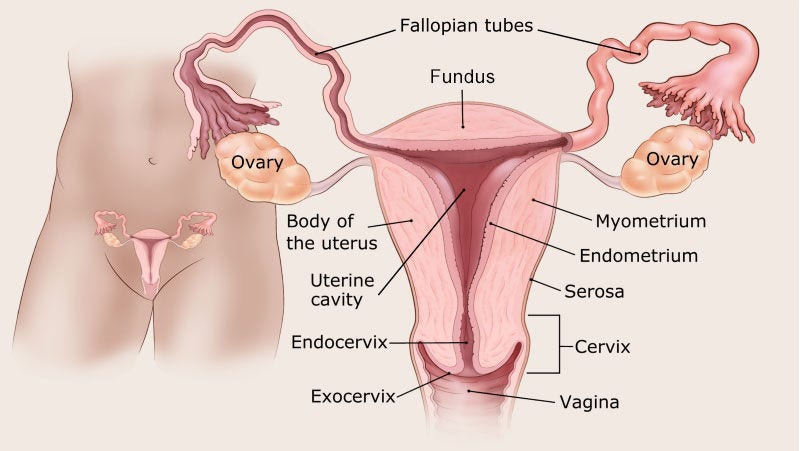
The uterus is a hollow organ, normally about the size and shape of a medium-sized pear.
The uterus is where a fetus grows and develops during pregnancy. During childbearing years, ovaries typically release an egg every month, and hormones cause the endometrium (the inner lining of the uterus) to grow and thicken in preparation for pregnancy.
If pregnancy doesn't occur, the endometrium sheds through the cervix and vagina, a process known as menstruation. This process continues each month until menopause, when the ovaries stop releasing eggs and producing reproductive hormones.
The uterus contains 3 main parts:
- Cervix, the lower end of the uterus, which sits above the vagina.
- Uterine body, the middle section of the uterus.
- Fundus, the upper part of the uterus.
The uterus has 3 layers:
- Endometrium, the inner layer or lining that nourishes a fetus during a pregnancy and sheds during the menstrual cycle.
- Myometrium, the middle thick layer of muscle that is needed to push a baby out during childbirth.
- Perimetrium or serosa, the layer of tissue coating the outside of the uterus.
Cancers of the uterus and endometrium
There are 2 main types of uterine cancer: carcinomas and sarcomas.
Carcinomas
Carcinomas are cancers that start in epithelial cells, the cells that line or cover most organs. Uterine carcinomas account for about 95% of uterine cancers. Carcinomas starting in the endometrium, the lining of the uterus, are endometrial carcinomas. Carcinomas that start in the cervix are cervical carcinomas.
Information for these types of cancer is in Cervical Cancer and Endometrial (Uterine) Cancer.
Carcinosarcomas are cancers of the uterus that start in the endometrium and have features of both sarcomas and carcinomas, but they are considered a type of carcinoma. These aggressive cancers were known as malignant mixed mesodermal tumors or malignant mixed mullerian tumors.
Sarcomas
Sarcomas are cancers that start from tissues like muscle, fat, and bone. These cancers account for about 5% of uterine cancers and will be discussed in more detail below.
Types of uterine sarcoma
Most uterine sarcomas are grouped based on the type of cell they start in:
These tumors start in the myometrium (the muscle layer) of the uterus. They are the most common type of uterine sarcoma, accounting for 1% of cancers in the uterus. These tumors can grow and spread quickly.
ESS tumors start in the stroma (supporting connective tissue) of the endometrium.
ESS tumors are often given a grade that helps to anticipate how fast they are likely to grow and spread.
Low grade
Low-grade ESS cells only look slightly different from normal cells, and these tumors tend to grow slowly. Women with low-grade ESS tumors tend to have a better prognosis (outlook) than women with other kinds of uterine sarcomas. Most low-grade ESS tumors also have proteins called estrogen receptors (ER) and/or progesterone receptors (PR), like some breast cancers. Having these proteins often means certain hormone drugs can help treat these types of uterine sarcomas.
High grade
High-grade ESS cells look very different from normal cells, and these tumors grow quickly. This type of ESS tumor tends to be more aggressive and is most often found when the tumor is already large and/or has spread. Treatment for these tumors may include treatments in addition to surgery, such as chemotherapy, and is less likely to be successful.
These cancers start in the endometrium or the myometrium. They grow and spread quickly and tend to have a poor prognosis.
This type of sarcoma has normal gland cells that are mixed with cancer cells of the stroma. These are generally low-grade cancers and usually have a good prognosis.
Benign uterine tumors
Several types of benign (noncancerous) tumors can also develop in the connective tissues of the uterus. These tumors, such as leiomyomas and adenomyomas, are also known as types of fibroid tumors. These benign tumors affect 3 out of 4 women during their lifetime.
In many people, these tumors don't need to be treated. But treatment might be needed if they start causing problems, like pelvic pain, heavy bleeding, frequent urination, or constipation.
In some cases, only the tumor is removed, leaving the rest of the uterus in place. This surgery is called a myomectomy.
Other treatments destroy these benign tumors by blocking the blood vessels that feed them, killing the tumor cells with an electric current, or freezing them with liquid nitrogen.
Another option is to remove the entire uterus with a surgery called a hysterectomy.
Quick Guides
- Written by
- References

Developed by the American Cancer Society medical and editorial content team with medical review and contribution by the American Society of Clinical Oncology (ASCO).
Boggess JF, Kilgore JE, Tran AQ. Chapter 85: Uterine Cancer. In: Niederhuber JE, Armitage JO, Dorshow JH, Kastan MB, Tepper JE, eds. Abeloff’s Clinical Oncology. 6th ed. Philadelphia, Pa. Elsevier: 2020.
Gaillard S, Secord A. Endometrial stromal sarcomas, related tumors, and uterine adenosarcoma. UpToDate. 2026. Accessed at https://www.uptodate.com/contents/endometrial-stromal-sarcomas-related-tumors-and-uterine-adenosarcoma on February 17, 2026.
Hensley M, Leitao M. Treatment and prognosis of uterine leiomyosarcoma. UpToDate. 2026. Accessed at https://www.uptodate.com/contents/treatment-and-prognosis-of-uterine-leiomyosarcoma on February 17, 2026.
Mbatani N, Olawaiye AB, Prat J. Uterine sarcomas. Int J Gynaecol Obstet. 2018;143 Suppl 2:51-58.
Memarzadeh S, Berek J. Uterine sarcoma: Classification, epidemiology, clinical manifestations, and diagnosis. UpToDate. 2026. Accessed at https://www.uptodate.com/contents/uterine-sarcoma-classification-epidemiology-clinical-manifestations-and-diagnosis on February 17, 2026.
National Cancer Institute. Uterine Sarcoma Treatment. Accessed at https://www.cancer.gov/types/uterine/hp/uterine-sarcoma-treatment-pdq on February 17, 2026.
National Comprehensive Cancer Network. NCCN Clinical Practice Guidelines in Oncology: Uterine Neoplasms Version 2.2026 – November 14, 2025. Accessed at https://www.nccn.org/professionals/physician_gls/pdf/uterine.pdf on February 17, 2026.
Last Revised: June 9, 2026
American Cancer Society medical information is copyrighted material. For reprint requests, please see our Content Usage Policy.