Your gift is 100% tax deductible.
Childhood Cancer
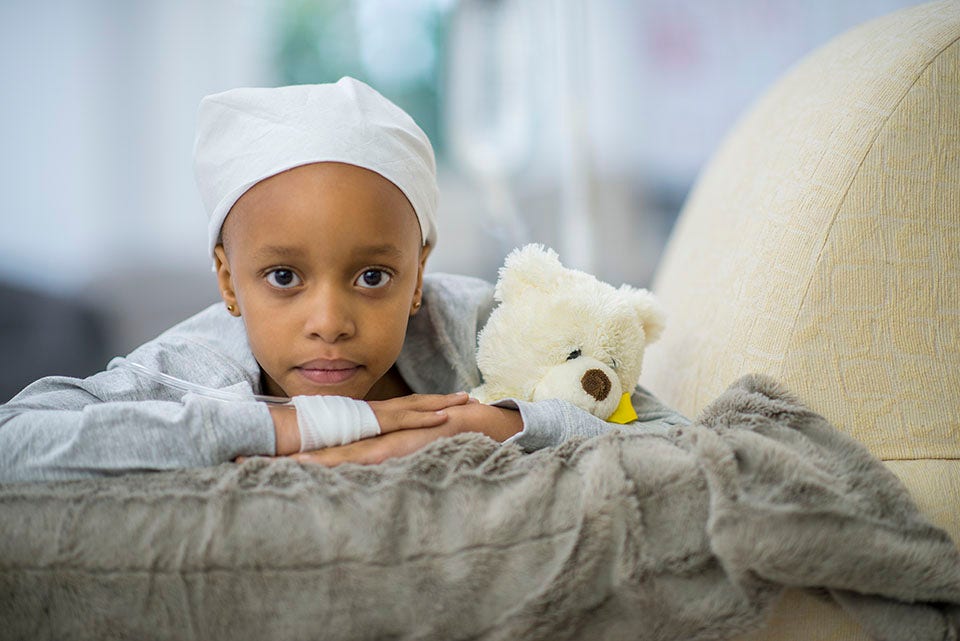
If your child or a child you know has just been diagnosed with cancer, is going through treatment, or is trying to stay well after treatment, you’re not alone. We can help you find information about diagnosis, treatment, and life after treatment.
What Are Childhood Cancers?
Cancers that affect children from birth through age 14 are known as childhood cancers or pediatric cancers. Cancers that affect teens age 15 to 19 are known as adolescent cancers.
The types of cancers that affect children and adolescents are similar, but some types may be more likely in certain age groups.
Types of Childhood Cancers
The types of cancers that occur in children are often different from the types that occur in adults. The most common childhood cancers are:
How a Childhood Cancer Diagnosis Affects the Family
Families may face many challenges when a child is diagnosed with cancer. This can be a stressful and overwhelming time. Learn practical ways to cope, communicate with your child, support siblings, and navigate the early days after diagnosis.

Childhood Cancer Treatment
If your child has been diagnosed with cancer, finding the right cancer care is essential. Here are some tips on navigating the healthcare system.
Treating childhood cancer
Childhood cancer treatment can be different from treating cancer in adults. Learn more about types of treatment and how they help.
Finding a children's cancer center
Children’s cancer centers are best able to meet the needs of children with cancer and their families. These centers have teams of specialists who know the differences between cancers in adults and those in children and teens. They know about the unique needs of younger people with cancer. Children’s cancer centers might be able to offer clinical trials and newer therapies for treatment, depending on the type of cancer.
Working with your child's cancer care team
Many healthcare professionals will be involved in caring for your child. So open, honest, and clear communication is crucial. It is important to discuss your child’s treatment options as well as their possible side effects with the treatment team. Doing this helps them make decisions about what may be best for your child. Learn how to take an active role in your child's cancer care.
Survivorship: Life During and After Cancer Treatment
Survivorship focuses on the wellbeing of a child with cancer from when they are diagnosed through the rest of their life. Here are some resources to help children as they go through treatment and beyond.