How Yoga Can Help Cancer Survivors
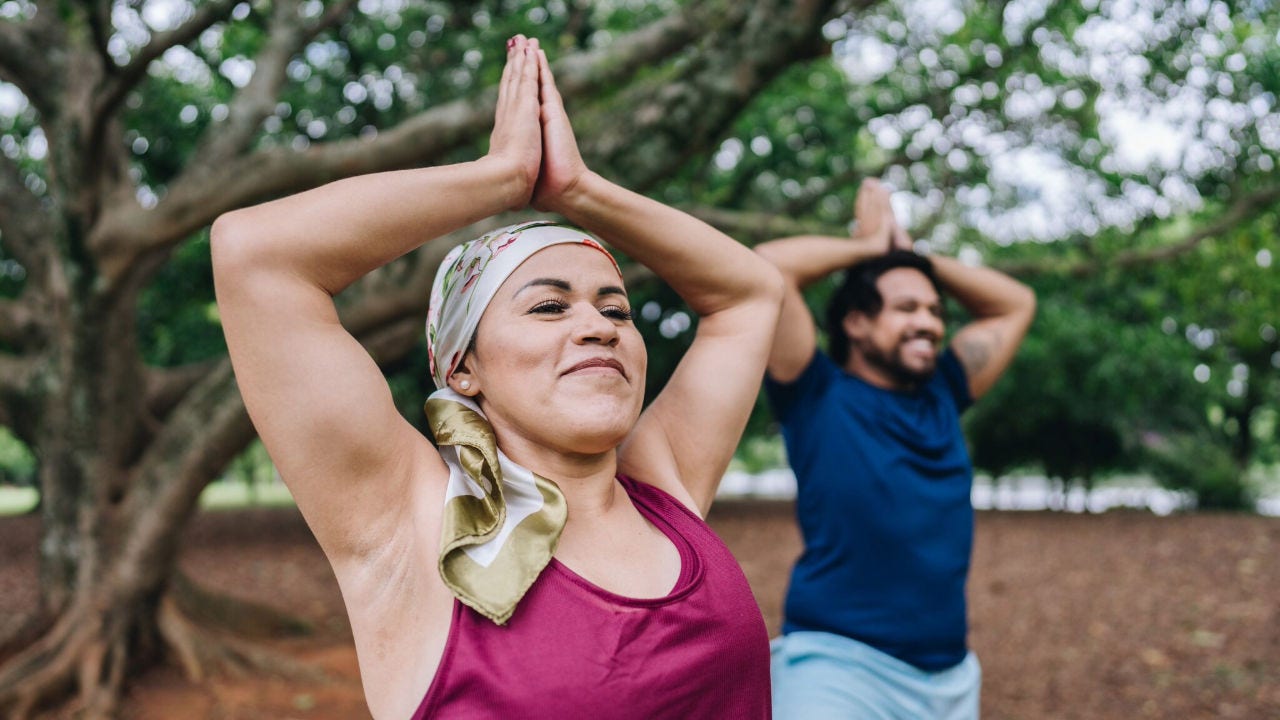
Side effects from cancer and cancer therapy can last for months or years, and they’re not always easy to treat. Many cancer survivors experience long-term side effects from treatment, including anxiety, fatigue, or trouble sleeping. While medication can help, some people also want to try non-drug methods. Research shows that one option in particular, gentle yoga, can help cancer survivors feel better and have more energy.
“Yoga can help people heal physically, emotionally, and spiritually. Studies show it’s linked to a better quality of life. But it’s important for cancer patients and survivors to practice yoga movements safely with guidance from a licensed instructor and their cancer care team,” said David William James, ND, BSc, an American Society of Clinical Oncology (ASCO) expert, licensed naturopathic physician, and integrative oncologist.
How can yoga help cancer survivors?
Yoga is an ancient practice that promotes relaxation and mind-body wellness. As a form of exercise, it combines stretching, structured poses, and breathing techniques.
Yoga provides many physical and mental health benefits. It has been shown to help cancer survivors:
- Reduce cancer-related fatigue
- Improve sleep
- Lower stress and ease symptoms of anxiety, depression, and distress
- Increase appetite
- Manage pain, nausea, and other physical side effects of cancer treatment
- Improve body image, especially for people who have had a mastectomy or other cancer surgery that could change their appearance
One recent study presented at ASCO’s Annual Meeting looked at whether a 4-week gentle yoga program could help improve common long-term side effects for cancer survivors. Half of the participants practiced gentle yoga at least 3 times weekly, for an average of 3 hours each week.
Researchers found that the people who practiced yoga reported improvements to their mood, anxiety, and fatigue, while those who received standard care without yoga did not. Those practicing in the yoga program also reported fewer problems sleeping.
How to get started with yoga
If you are a cancer survivor interested in trying yoga, check with your oncologist to make sure you’re cleared to begin a new exercise program.
“Your body needs to be ready for stretching and movement,” Dr. James said. “For example, if you’ve had cancer surgery, we want to be sure the surgical area has healed before you put any stress on it.”
To get started safely:
- Gather what you need. Once you’re cleared to start practicing gentle yoga, you just need comfortable clothes and a non-slip mat.
- Find a qualified yoga teacher. Look for a teacher who has completed a recognized yoga teacher training program. Ask your healthcare team for referrals. Make sure the instructor knows about your cancer history. Some instructors even specialize in yoga for cancer survivors.
- Consider starting with in-person instruction. If you’re new to yoga, an in-person class can help you learn proper movement and posture. Once you’re comfortable with the basics, you can choose to switch to virtual yoga classes or videos at home.
- Look for low-cost options. Sometimes cost can get in the way of trying a new exercise program. A local hospital or nonprofit organization may offer more affordable yoga classes than a private studio.
- Start slowly. Begin with gentle yoga and work your way up to more difficult poses, if they work for you.
“Stay within your boundaries and be forgiving of where you are in your journey. You may not be able to do as much as you could before cancer or when you were younger, and that’s OK,” said Dr. James. For example, some of the more intense forms of yoga, such as hot yoga, can be stressful on the body.
Yoga for people with cancer
Yoga is one of many integrative therapies that can help relieve cancer symptoms and treatment side effects, along with standard therapies. The effects of yoga have been most widely studied in breast cancer survivors. But many people with a history of cancer can benefit from the practice, Dr. James noted.
Talk with your doctor about whether it’s safe for you to start yoga. And ask about any limitations you may have. People with bone cancer, for example, may be at risk of bone fractures. A person who has had recent abdominal surgery may not be healed enough to do certain poses. You may also need to be careful of any medical device, such as a chemotherapy port or colostomy bag, that could get in the way of practicing yoga.
“You don’t want to push your body so hard that you injure yourself or reduce the effectiveness of your cancer treatment,” Dr. James said.
Can yoga help prevent cancer?
There’s no sure way to prevent cancer. Still, yoga can be part of a healthy lifestyle that includes regular physical activity to help reduce your risk.
“Movement is good for your health,” said Dr. James. “Yoga can play an important role in helping you manage stress and find balance. Along with things like good nutrition and sleep, it’s one of the healthy habits that are important for cancer prevention.”
Learn more from the American Cancer Society:
- Non-medical Ways to Manage Pain
- Understanding Integrative (Holistic) Medicine
- Mind-body and Body-based Therapies
Dr. James is an ASCO member.
- Written by

Written by the American Society of Clinical Oncology (ASCO) with medical and editorial review by the American Cancer Society content team.