Your gift is 100% tax deductible.
Stomach Cancer
If you have stomach cancer (also known as gastric cancer) or are close to someone who does, knowing what to expect can help you cope. Here you can find out all about stomach cancer, including risk factors, symptoms, how it is found, and how it is treated.
About stomach cancer
Cancer starts when cells in the body begin to grow out of control. Cells in nearly any part of the body can become cancer, and it can then spread to other areas of the body. To learn more about cancer and how it starts and spreads, see What Is Cancer?
Stomach cancer begins when cells in the stomach start to grow out of control.
Get an overview of stomach cancer and the latest key statistics in the US.
The stomach
To understand stomach cancer, it helps to know about the normal structure and function of the stomach.
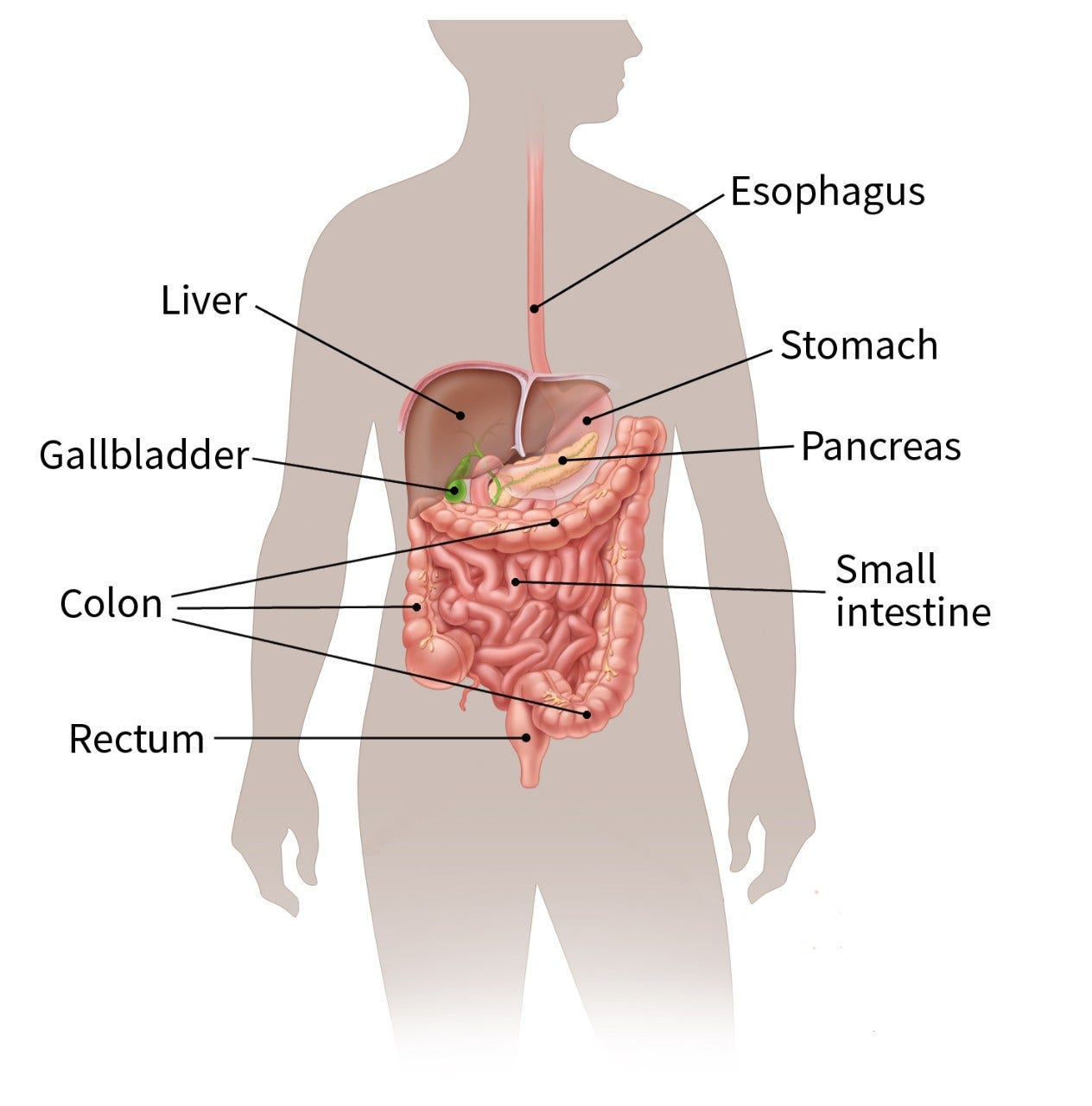
The stomach is a sac-like organ that’s an important part of the digestive system.
After food is chewed and swallowed, it enters the esophagus, a tube that carries food through the throat and chest to the stomach. The esophagus joins the stomach at the gastroesophageal junction (GEJ), also known as the esophagogastric junction (EGJ).
The stomach starts to digest food by secreting gastric juice. The food and gastric juice are mixed and then emptied into the first part of the small intestine called the duodenum.
Some people use the word 'stomach' to refer to the belly area. The medical term for this area is the abdomen. For instance, some people with pain in this area would say they have a 'stomachache', when in fact the pain could be coming from some other organ in the area. Doctors would call this symptom 'abdominal pain,' because the stomach is only one of many organs in the abdomen.
Other types of cancer also can develop in the abdomen, like cancer of the colon or rectum (large intestine), liver, pancreas, or small intestine. These cancers can have different symptoms, different outlooks, and different treatments.
Parts of the stomach
The stomach has 5 parts.
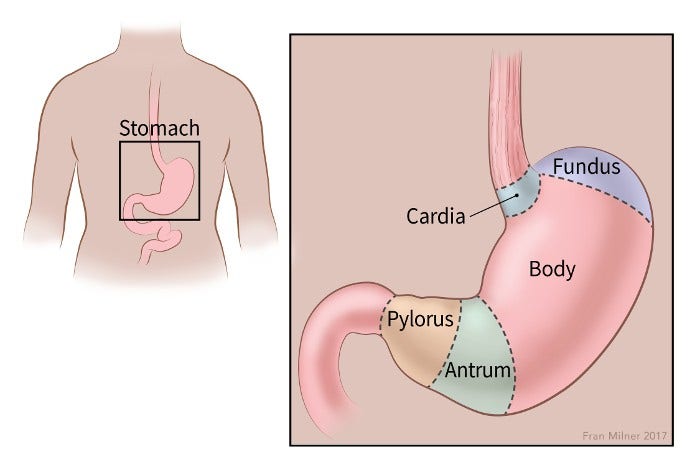
The first 3 parts make up the proximal stomach:
- Cardia: the first part of the stomach, which is just below the GEJ
- Fundus: the upper part of the stomach next to the cardia
- Body (corpus): the main part of the stomach, between the upper and lower parts
Some cells in these parts of the stomach make acid and pepsin (a digestive enzyme), which combine to make the gastric juice that helps digest food. They also make a protein called intrinsic factor, which the body needs to absorb vitamin B12.
The lower 2 parts make up the distal stomach:
- Antrum: the lower portion (near the small intestine), where the food mixes with gastric juice
- Pylorus: the last part of the stomach, which acts as a valve to control the emptying of the stomach contents into the small intestine
Layers of the stomach wall
The stomach wall has 5 layers:
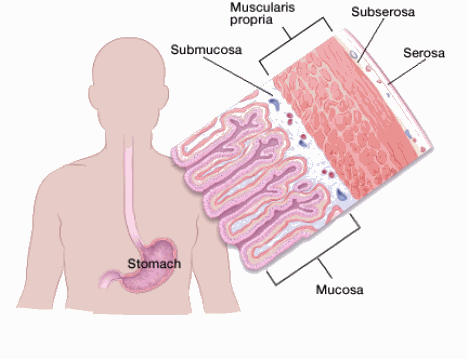
- Mucosa: The inner layer, where stomach acid and digestive enzymes are made. Most stomach cancers start in this layer.
- Submucosa: A layer of supporting tissue below the mucosa
- Muscularis propria: A thick layer of muscle that helps move and mix the stomach contents
- Subserosa and serosa: The 2 thin outer layers that wrap the stomach
The layers affected by cancer are important in determining the stage (extent) of the cancer, which can affect a person’s treatment options and prognosis (outlook). As cancer grows from the mucosa into deeper layers, the stage becomes more advanced, and treatment might need to be more extensive.
Development of stomach cancer
Before stomach cancer develops, precancerous changes in the mucosa may evolve over several years. These early changes rarely cause symptoms, so they often go undetected.
Cancers starting in different sections of the stomach can cause different symptoms and tend to have different outcomes. The cancer’s location can also affect treatment, such as what type of surgery is done.
Types of stomach cancer
The stomach has several types of cells that can develop into different types of cancer.
Adenocarcinomas
If you are told you have stomach cancer (or gastric cancer), it will almost always be an adenocarcinoma. More than 9 out of 10 cancers of the stomach are adenocarcinomas. These cancers develop from the gland cells in the mucosa.
The 2 main types of stomach adenocarcinomas are:
- Intestinal: The cancer cells look more like normal cells and form tube-like or gland-like structures. This type tends to have a slightly better prognosis (outlook).
- Diffuse: The cancer cells tend to look more abnormal and don’t grow in distinct patterns. This type is less common, and it tends to be harder to treat.
Adenocarcinomas can also be described by their location in the stomach:
- Proximal (cardia) cancers start in the cardia, just below the GEJ.
- Distal (non-cardia) cancers start in other parts of the stomach.
Proximal and distal cancers have different risk factors.
Other cancers that can start in the stomach
Gastrointestinal stromal tumors (GISTs)
These uncommon tumors start in very early forms of cells in the wall of the stomach called interstitial cells of Cajal. Some GISTs are much more likely than others to grow into other areas or spread to other parts of the body. Although GISTs can start anywhere in the digestive tract, most start in the stomach.
To learn more, see Gastrointestinal Stromal Tumor (GIST).
Neuroendocrine tumors (including carcinoids)
Neuroendocrine tumors (NETs) start in cells in the stomach (or other parts of the digestive tract) that act like nerve cells in some ways and like hormone-making (endocrine) cells in others. Most NETs tend to grow slowly and do not spread to other organs, but some can grow and spread quickly.
NETs are discussed in more detail in Gastrointestinal Neuroendocrine (Carcinoid) Tumors.
Lymphomas
These cancers start in white blood cells in the immune system called lymphocytes. Lymphomas usually start in other parts of the body, but some can start in the wall of the stomach. The treatment and outlook for these cancers depend on the type of lymphoma and other factors.
To learn more, see Non-Hodgkin Lymphoma.
Other cancers
Other types of cancer, such as squamous cell carcinomas, small cell carcinomas, and leiomyosarcomas, can also start in the stomach, but these cancers are very rare.
Quick Guides
- Written by
- References

Developed by the American Cancer Society medical and editorial content team with medical review and contribution by the American Society of Clinical Oncology (ASCO).
Ku GY, Ilson DH. Chapter 72: Cancer of the Stomach. In: Niederhuber JE, Armitage JO, Doroshow JH, Kastan MB, Tepper JE, eds. Abeloff’s Clinical Oncology. 6th ed. Philadelphia, Pa: Elsevier; 2020.
Lauwers G, Kumarasinghe P. Gastric cancer: Pathology and molecular pathogenesis. UpToDate. 2025. Accessed at https://www.uptodate.com/contents/gastric-cancer-pathology-and-molecular-pathogenesis on December 1, 2025.
National Cancer Institute. What Is Stomach Cancer? Accessed at https://www.cancer.gov/types/stomach on December 1, 2025.
National Comprehensive Cancer Network. NCCN Clinical Practice Guidelines in Oncology: Gastric Cancer. Version 3.2025. Accessed at https://www.nccn.org on December 1, 2025.
Last Revised: February 27, 2026
American Cancer Society medical information is copyrighted material. For reprint requests, please see our Content Usage Policy.
This information is possible thanks to people like you.
We depend on donations to keep our cancer information available for the people who need it most.