What to Know About Methylene Blue
You may have seen claims online about possible health benefits of using methylene blue. Methylene blue is sometimes used during cancer surgery, for example, to help identify lymph nodes where a cancer may have spread. But methylene blue itself has not been proven to prevent, treat, or cure cancer.
“People have asked me whether methylene blue can help kill cancer cells or delay cancer progression. I tell them that methylene blue is not approved as a standard cancer treatment. Taking it without a doctor’s supervision is unsafe,” said Mazie Tsang, MD, MAS, MS, an American Society of Clinical Oncology (ASCO) expert and assistant professor of hematology and oncology at Mayo Clinic Arizona.
What is methylene blue?
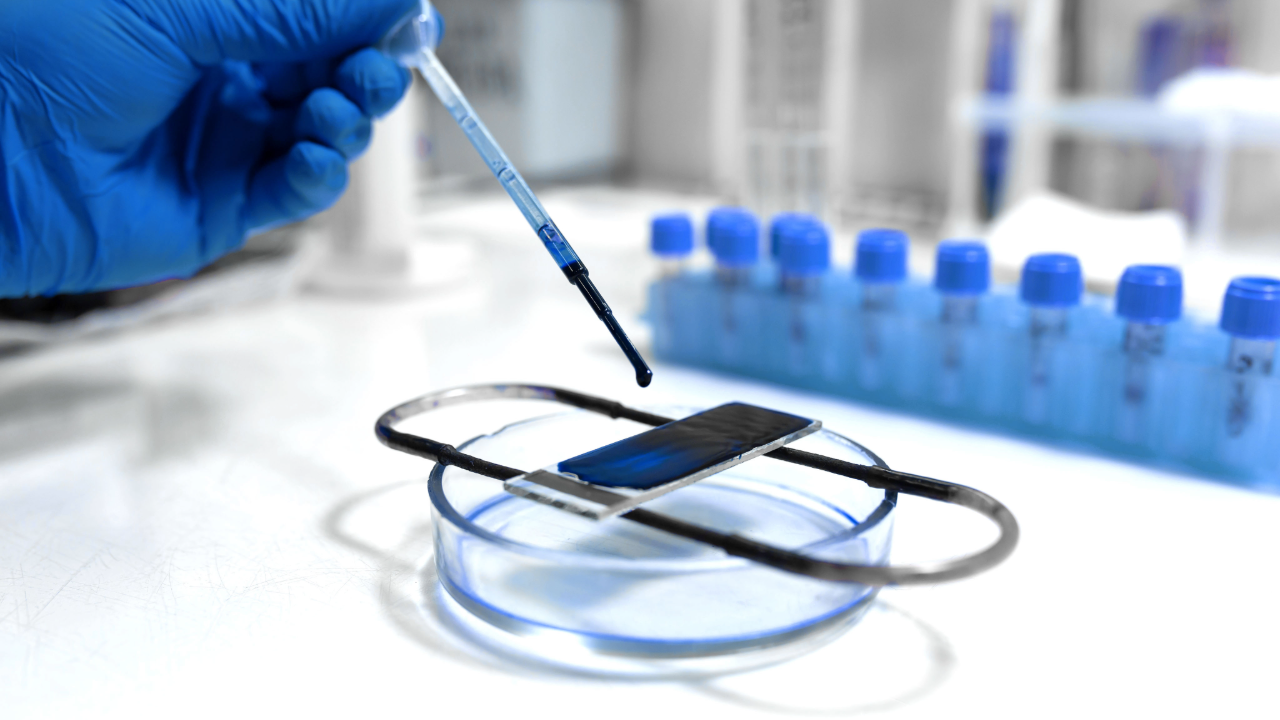
Methylene blue is a bright blue dye. It was first used in the textile industry about 150 years ago. The product also has a long history in medicine, including staining body tissues during procedures and on pathology slides. It has also been studied for potential use in helping to treat some infections and reduce inflammation.
Uses of methylene blue
The US Food and Drug Administration (FDA) has approved methylene blue for only one use. It is approved to treat methemoglobinemia. This rare blood disorder prevents the body from getting enough oxygen.
Methylene blue is sometimes used off-label for some other medical purposes, meaning doctors prescribe or use it in ways not approved by the FDA. Off-label uses of methylene blue include:
- Treating vasodilatory shock (decreased blood flow to major organs of the body)
- Treating cyanide poisoning
- Enhancing photodynamic therapy (PDT) for skin conditions like psoriasis and eczema
- Helping to diagnose or learn more about a person’s cancer
Doctors may recommend a medicine for off-label use if they believe it can help a patient. “I only prescribe a drug off-label when data supports it and after I check for drug interactions and other risks,” Dr. Tsang said.
Methylene blue in cancer care
Methylene blue is used off-label as part of certain procedures, treatments, and supportive care for people with cancer. Methylene blue is not approved to prevent or treat cancer on its own. It is also not recommended for use in place of FDA-approved cancer treatments.
In a laboratory, methylene blue can be used to stain blood and tissue samples. It helps make cell and tumor samples easier to view under a microscope. During procedures, the dye can help identify cancerous and precancerous growths, such as during a colonoscopy. Its bright color can help make abnormal cells easier to see.
The dye is also widely used for lymph node mapping during cancer surgeries, such as during a sentinel lymph node biopsy (SLNB). SLNB can be used for breast cancer, vulvar cancer, and cervical cancer, along with Merkel cell and melanoma skin cancers. The dye helps identify the lymph nodes where cancer may have spread. These nodes can then be removed and tested for cancer.
Another off-label use for methylene blue is as an oral rinse. Some studies suggest it may help relieve pain from mouth sores caused by chemotherapy or radiation to the head and neck. It’s also been studied to help treat some of the toxic side effects of ifosfamide, a type of chemotherapy drug.
Cancer researchers are studying these and other new ways to use methylene blue. For example, in lab and animal studies, methylene blue has been tested as a way to boost the effectiveness of PDT for lung, breast, colorectal, melanoma, and other cancers. But this use is still considered experimental.
Evaluating health claims about methylene blue
Recently, methylene blue has been promoted online for use in ways that have not been well studied. Some people claim it can support brain health, slow aging, improve mood, fight infections, and boost energy. Others say methylene blue can prevent or “kill” cancer. But none of these claims have been proven.
People and companies cannot legally claim that taking methylene blue can diagnose, treat, cure, or prevent a disease. The methylene blue products for sale online have not been approved by the FDA.
Many more clinical trials are needed to show whether methylene blue is helpful for treating humans with cancer. So far, most studies have been conducted in animals or in labs with cancer cells.
“Clinical trials are the gold standard because they rigorously test the safety and effectiveness of new cancer treatments,” Dr. Tsang said. “Using a cancer treatment based on personal stories or limited evidence can be risky because the effects of the drug are not yet well understood.”
Methylene blue risks and side effects
Some people with cancer may decide to drink an oral form of methylene blue without their doctor’s knowledge. The only FDA-approved form of methylene blue is given by intravenous (IV) injection. While doctors can prescribe the oral form, it has not been approved by the FDA.
“Methylene blue should only be used in a medical setting by someone who understands the risks associated with the drug. The harms of taking it on your own outweigh any potential benefits,” said Dr. Tsang.
The risks of using methylene blue include:
- Drug interactions: When combined with drugs that increase serotonin levels, such as opioids for pain and some antidepressants, methylene blue can cause a life-threatening interaction called serotonin syndrome.
- Hemolytic anemia: The dye can trigger hemolytic anemia in people with glucose-6-phosphate dehydrogenase (G6PD) deficiency. This dangerous condition can cause red blood cells to break down faster than the body can replace them.
- Food interactions: Based on how methylene blue works in the body, it could interact with foods rich in tyramine. In rare instances, this can lead to sudden, dangerously high blood pressure. Examples of tyramine-rich foods include aged cheese, cured meats, fermented foods, draft beer, and red wine.
- Allergic reactions: People who are allergic to dyes should avoid methylene blue.
- Toxin exposure: The kind of methylene blue used in hospitals is highly regulated. Other forms of the product are not intended for people to take and can potentially be harmful or contaminated.
- Pregnancy complications: Taking methylene blue while pregnant can result in harm to the fetus. Methylene blue is also unsafe to use while breastfeeding.
- Side effects: Depending on how it’s used, methylene blue can cause nausea, vomiting, headache, dizziness, skin irritation, and sensitivity to light. It can also turn the skin and urine temporarily blue or green.
How to make sense of news about cancer treatment
Trustworthy sources are the key to accurate information about cancer. Peer-reviewed journals, major news outlets, government agencies, universities, and nonprofit organizations are generally considered reliable sources of medical news and research.
Always talk to your doctor about any medicines or supplements you’re taking, planning to take, or are curious about. “People look for alternative therapies because they want some control over their cancer care. I admire it when patients advocate for themselves,” Dr. Tsang said. “I’m always willing to do more research and review the evidence to see whether a medication or supplement is safe.”
Learn more from the American Cancer Society:
- Making Treatment Decisions
- How to Find Cancer Information You Can Trust
- What to Know About Fenbendazole
- What to Know About Ivermectin
Dr. Tsang is a member of ASCO’s Patient Information Advisory Committee.
- Written by

Written by the American Society of Clinical Oncology (ASCO) with medical and editorial review by the American Cancer Society content team.