Infections That Can Lead to Cancer
Infections with certain viruses, bacteria, and parasites are risk factors for several types of cancer. But most people with these infections never develop cancer.
Can infections cause cancer?
Worldwide, infections are linked to about 13% of all cancers and cause about 2.3 million new cancers per year. This percentage is higher in countries where certain infections are more common.
Since the early 1900s, scientists have known that certain infections can cause cancer in animals. More recently, research has shown that certain viruses, bacteria, and parasites are risk factors for several types of cancer in humans.
Viruses
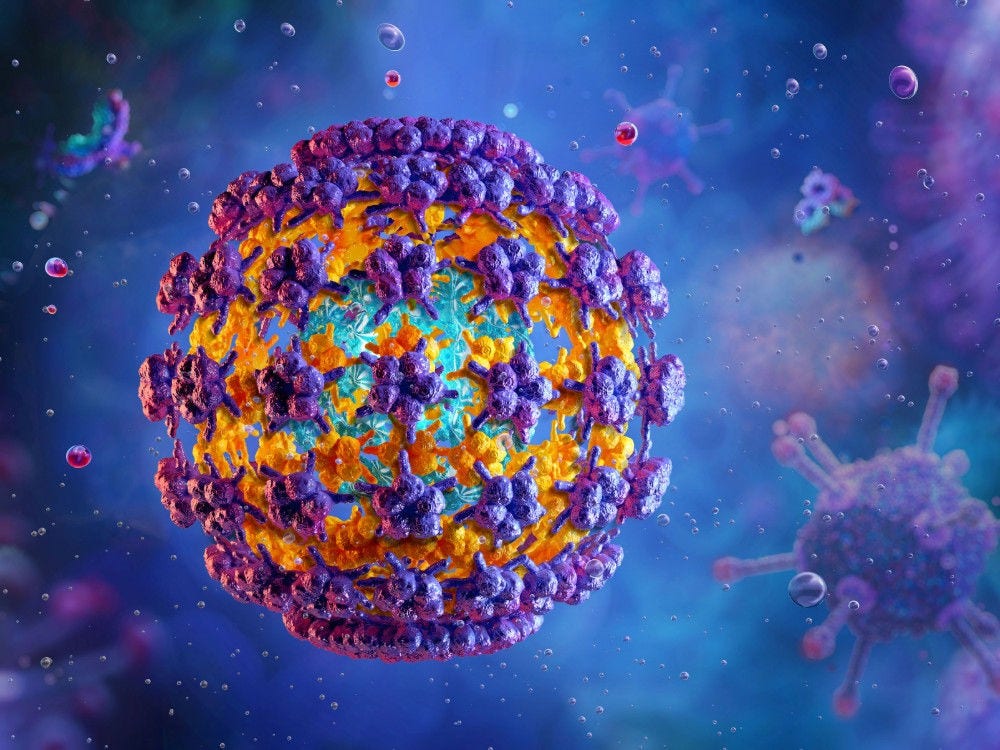
Viruses that have been linked to cancer include:
- Human papillomavirus (HPV)
- Hepatitis B virus (HBV)
- Hepatitis C virus (HCV)
- Hepatitis D virus (HDV)
- Human immunodeficiency virus (HIV)
- Human herpesvirus 8 (HHV-8), also known as Kaposi sarcoma-associated herpesvirus (KSHV)
- Human T-lymphotropic virus-1 (HTLV-1)
- Epstein-Barr virus (EBV)
- Merkel cell polyomavirus (MCPyV)
Parasites
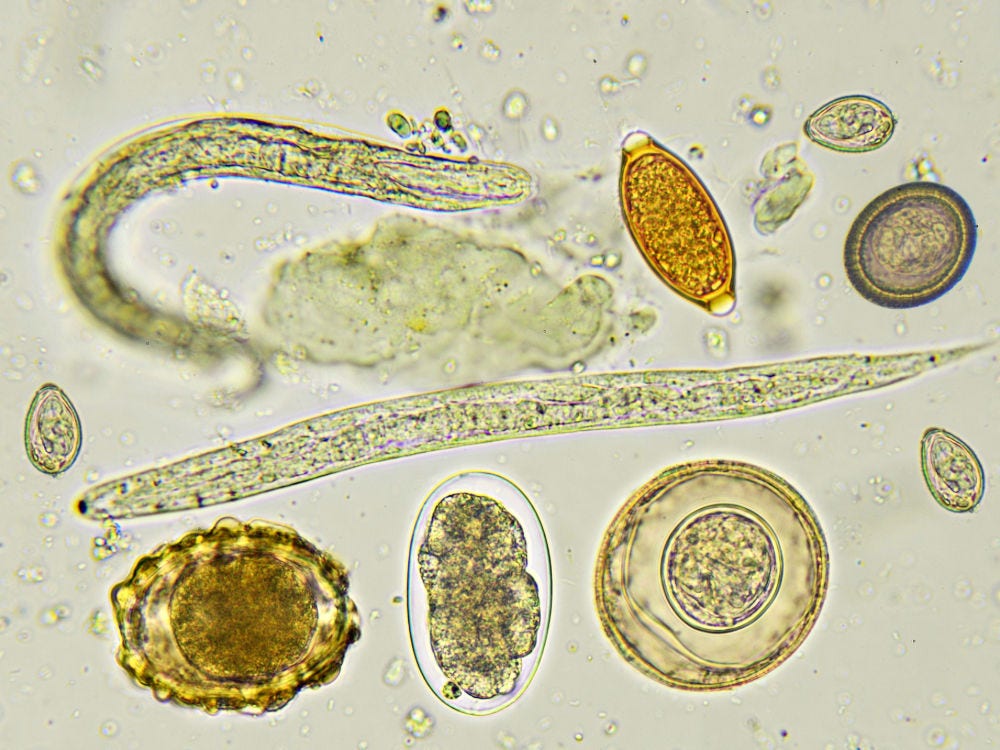
Parasites that can lead to cancer include:
- Opisthorchis viverrini
- Clonorchis sinensis
- Schistosoma haematobium
Bacteria
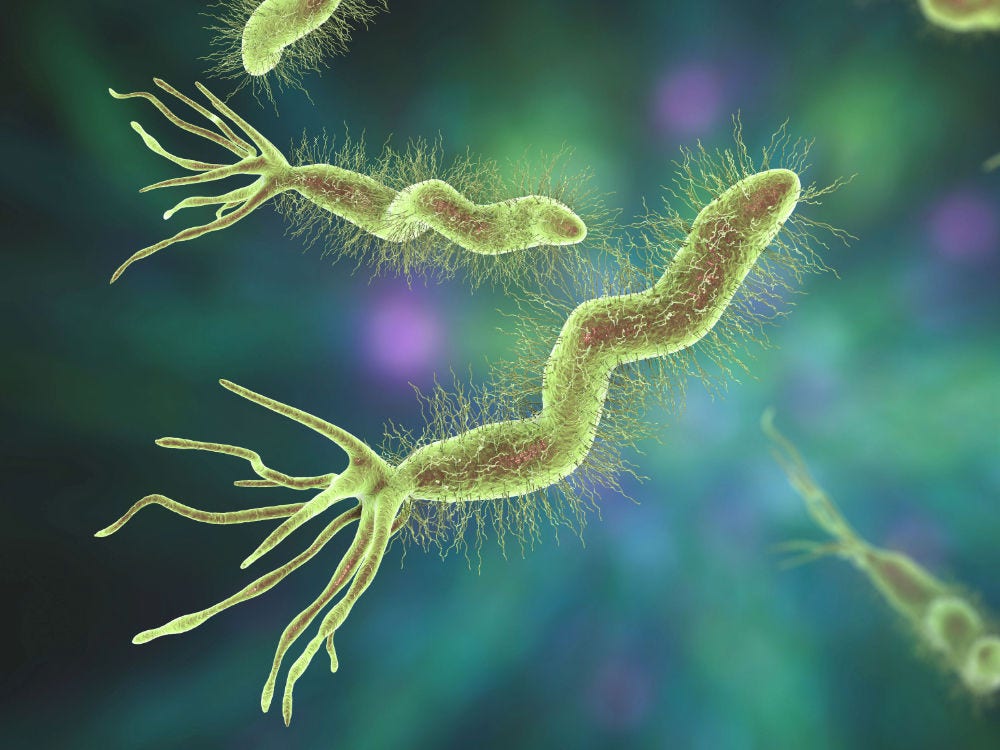
Helicobacter pylori (H pylori) is the only bacteria with strong links to cancer.
How do infections cause cancer?
How certain infections might increase the risk of cancer:
- They can damage or change cells. Some viruses directly affect the genes inside cells that control their growth. These viruses can insert their own genes into the cell, causing the cell to grow out of control.
- They can trigger chronic inflammation. Some infections can cause long-term inflammation in parts of the body. This can lead to changes in the affected cells and in nearby immune cells, which can eventually lead to cancer.
- They can weaken the immune system. Certain infections can impair the body’s immune system, which normally helps find and destroy abnormal cells before they turn into cancer.
Many of the infections that increase cancer risk can be passed from person to person, but cancer itself cannot. A person cannot catch cancer from someone else.
Although certain infections can raise a person’s risk of some types of cancer, most people with these infections never develop cancer. The risk of developing cancer is also influenced by other factors. For example, infection with Helicobacter pylori (H. pylori) bacteria can increase your risk of stomach cancer, but what you eat, whether you smoke, and other factors also affect your risk.
Related topics
Know Your Cancer Risk
Take the ACS CancerRisk360™ assessment to learn more about what you can change to improve your health. By taking 5 minutes to answer a few questions, we will give you a personalized roadmap of actions with helpful resources you can use to lower your risk of cancer.
- Written by
- References

The American Cancer Society medical and editorial content team
Our team is made up of doctors and oncology certified nurses with deep knowledge of cancer care as well as editors and translators with extensive experience in medical writing.
Alberts C, Georges D, Franceschi S, et al. Oncogenic infections: targets highly amenable to cancer prevention. JNCI Monographs. Volume 2026, Issue 72, April 2026, Pages 59–68
Baden LR, Swaminathan S, Almyroudis NG, et al. Prevention and treatment of cancer-related infections, version 3.2024, NCCN clinical practice guidelines in oncology. J Natl Compr Canc Netw. 2024 Nov 1;22(9):617-44. Accessed at https://jnccn.org/view/journals/jnccn/22/9/article-p617.xml on September 30, 2026.
Heymann DL (Ed.) Control of Communicable Diseases Manual, 19th ed. Washington DC: American Public Health Association; 2008:393–402.
International Agency for Research on Cancer. IARC Monographs on the Evaluation of Carcinogenic Risks to Humans. Volume 100B: A Review of Human Carcinogens: Biological Agents. 2012. Accessed at http://monographs.iarc.fr/ENG/Monographs/vol100B/index.php on September 30, 2026.
Ragelienė T, Schneider-Kamp A, Askegaard ST. Barriers and facilitators of prevention of infections related to cancer: A systematic literature review. Heliyon. 2024 Oct 15;10(19). Accessed at https://www.cell.com/heliyon/fulltext/S2405-8440(24)13990-4 on September 30, 2026.
Rumgay H, Georges D, Huang Y, Hirabayashi M, Shah R, de Martel C, et al. Global burden of cancer attributable to infections in 2024: a worldwide incidence analysis. Lancet Oncol. 2026, Issue 27, 1237-1248.
Schwartz SM. Epidemiology of cancer. Clinical chemistry. 2024 Jan;70(1):140-9.
Trinchieri G. Inflammation. In DeVita VT, Lawrence TS, Rosenberg SA (eds). Cancer: Principles & Practice of Oncology. 9th ed. Philadelphia: Lippincott Williams & Wilkins; 2011: 193–202.
Yusuf K, Sampath V, Umar S. Bacterial infections and cancer: Exploring this association and its implications for cancer patients. Int J Mol Sci. 2023; 24(4):3110.
Last Revised: September 30, 2026
American Cancer Society medical information is copyrighted material. For reprint requests, please see our Content Usage Policy.
American Cancer Society Emails
Sign up to stay up-to-date with news, valuable information, and ways to get involved with the American Cancer Society.